In the rapidly evolving landscape of artificial intelligence, strategic partnerships that govern access, ownership, and control over powerful models are crucial. Microsoft and OpenAI’s broad license agreement, extending through 2032, represents one of the most influential arrangements shaping AI’s commercial and ethical future. But unpacking what this license non exclusive 2032 really covers is not straightforward. It intersects with complex distinctions between operator, owner, and controller, as well as the unique corporate structure behind OpenAI.
This article dives deeply into the nature of Microsoft’s license, its scope regarding model and product IP rights, and why understanding the separation between economic ownership and governance control is critical. Along the way, we explore how important entities like OpenAI Group PBC and the OpenAI Foundation fit into this framework. We also reference key documents such as the OpenAI Terms of Use (including variations for Europe and the rest of the world) and notes from the confidential draft registration statement (S-1) process.
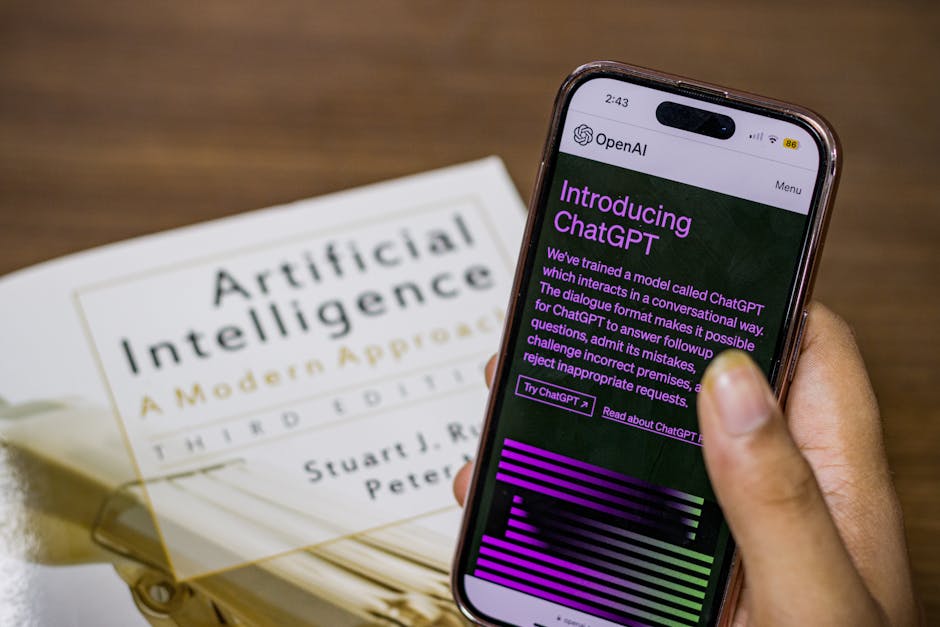
Understanding the Players: OpenAI, OpenAI Group PBC, and OpenAI Foundation
The term “OpenAI” is often used interchangeably in media and casual conversations, but legally it refers to a suite of entities with different roles.
- OpenAI Group PBC (a public benefit corporation) functions as the “operator” of the OpenAI products, including ChatGPT and other AI services. It is the active developer and deployer of the models. OpenAI Foundation is a nonprofit entity that holds ultimate governance control. It does not run daily operations but sets the long-term mission and can influence strategic decisions. OpenAI as a brand often references both these entities collectively.
This structurally enforced separation means that economic ownership and control are deliberately split, designed to ensure safeguards around AI’s social impact while enabling innovation and capital investment.
ChatGPT Is a Product of OpenAI Group PBC, Not a Separate Company
Many users ask: Is ChatGPT its own company? The answer is no. ChatGPT is a product offered by OpenAI Group PBC. Microsoft’s license gives it substantial rights over this product but not ownership of a separate corporate entity. This distinction is important when analyzing contractual rights and responsibility.
Microsoft’s License to OpenAI Technology: The Basics
The license agreement between Microsoft and OpenAI spans technological rights and commercial usage permissions on a timeline that leads up to 2032. This license non exclusive 2032 means Microsoft can utilize, integrate, and resell AI technologies developed by OpenAI, including incremental improvements and models likely to emerge after artificial general intelligence ( post AGI models).
According to publicly accessible references and insights leaked during the confidential draft registration statement (S-1) process, the license covers the following:
Core Model and Product IP Rights: Microsoft obtains licenses to the intellectual property underlying OpenAI’s foundational models and the associated products such as ChatGPT. Enhancements and Derivatives: The agreement encompasses improvements and derivative works arising from current models and future iterations, including efforts directed at post AGI models. Commercial Usage and Integration: Microsoft can embed OpenAI technology within its own services (e.g., Azure AI, Microsoft 365) and offer AI-powered features to enterprise customers. Data and Training Rights: There is an ongoing negotiation about rights related to data used to train models, particularly regarding European data regulations and respective OpenAI Terms of Use variations.What License “Non Exclusive” Means Here
“Non exclusive” signals that OpenAI retains the right to license its models and IP to others, including competitors or upstart players. Microsoft’s position is therefore not a monopoly but a strategic partnership offering privileged, early, and broad use rights—underpinned by nearly $122 billion committed capital flowing into the platform and ecosystem from all investors.
Operator vs Owner vs Controller: Why It Matters
Misunderstanding Microsoft’s role as licensee often leads to confusion. The company is:
- Operator in a broad sense only of Microsoft’s own products that incorporate OpenAI tech. Licensee with economic rights, not an outright owner of the intellectual property or the models themselves. Not the governance controller of OpenAI’s mission or policies; that role remains with the OpenAI Foundation.
Clarity comes from reviewing the distinctions in the OpenAI Terms of Use for Europe and elsewhere, which clearly allocate operational responsibilities and usage rights to OpenAI Group PBC as the “operator.” Microsoft’s license does not overturn this foundational arrangement but allows Microsoft to commercialize and scale AI capabilities under their terms.
Economic Ownership vs Governance Control
It is crucial to differentiate between having economic stakes and IP rights, which Microsoft commands extensively, and governance control, which OpenAI Foundation maintains. This split is a protective mechanism:
- Economic Ownership: Rights to revenue, licensing fees, and product distribution. Governance Control: Oversight over safety, ethical parameters, open commitments, and long-term strategic mission.
This structure helps answer why Microsoft can hold billions of dollars in licenses yet not “own” OpenAI in a traditional corporate sense.
The Implication for Future Models and AI Ethics
The license extending to post AGI models suggests Microsoft’s exposure will deepen as AI advances. The willingness of OpenAI to sustain a license non exclusive 2032 points to confidence in a stable, symbiotic long-term relationship. Meanwhile, analysts and regulators watch closely how governance control held by the OpenAI Foundation upholds principles and safety guidelines.
From a European perspective, the multiple OpenAI Terms of Use address jurisdictional concerns about data privacy and usage control, ensuring these models comply with regional law even as licensees like Microsoft navigate global markets.
Summary of Microsoft’s License Coverage
Aspect Scope within Microsoft’s License (Through 2032) Intellectual Property Rights Licenses to model and product IP of OpenAI’s current and future AI technologies, including ChatGPT Commercial Usage Rights to commercialize, integrate, and resell AI technologies in Microsoft platforms and third-party offerings Governance Control Remains with OpenAI Foundation; Microsoft has no direct controlling vote License Type Non exclusive — OpenAI can license others Geographic Coverage Global, with compliance adjusted per OpenAI Terms of Use (European and rest-of-world versions) Post AGI Models Included, indicating rights extend to future, advanced AI systemsConclusion
Microsoft’s license agreement with OpenAI through 2032 is a landmark deal that grants extensive, but non exclusive, rights to powerful AI technologies https://suprmind.ai/hub/insights/who-owns-chatgpt/ pivotal for the next decade of innovation. It carefully balances economic interests and governance safeguards by recognizing the distinct roles of OpenAI Group PBC as the operator, the OpenAI Foundation as the governance controller, and Microsoft as a privileged licensee.
Understanding this framework dissolves misconceptions about ownership and control, clarifies what “license non exclusive 2032” truly entails, and highlights the profound commitments reflected in the more than $122 billion committed capital fueling AI’s future. For stakeholders, operators, regulators, and users alike, this clarity is vital in navigating the intersection of technology, policy, and trust as AI approaches the era of post AGI models.