In the rapid evolution of AI image generation, Google’s Imagen 4 has made waves with its fast variant promising quicker outputs. But speed often trades off with quality — so the pressing question for developers, creatives, and business users alike is: Is Imagen 4 Fast truly good enough for production content, Get more info or does it end up looking cheap, losing fine detail and prompt adherence?

In this post, we’ll dissect Imagen 4 Fast’s capabilities and compare it from multiple angles, including pricing paradigms (per-image vs. per-token vs. credit-based), quality considerations, latency and job handling, and the important legal aspects such as commercial rights and indemnification. We’ll ground this in realistic usage scenarios, aiming to give you a no-nonsense perspective on whether Imagen 4 Fast fits your needs.
Pricing Models: Per-Image, Token, or Credit?
Before diving into quality and speed, let’s unpack costs. AI image generation pricing is notoriously confusing due to three main models:
- Per-Image Pricing: You pay a fixed price for each generated image, usually varying by resolution. Token-Based Pricing: You pay per input or output token (e.g., OpenAI GPT or DALL·E text-to-image generation), charging based on prompt length or processing. Credit-Based Pricing: A lump-sum credit system where you buy credits upfront and redeem them for varying image generation operations.
How Does Imagen 4 Fast Charge?
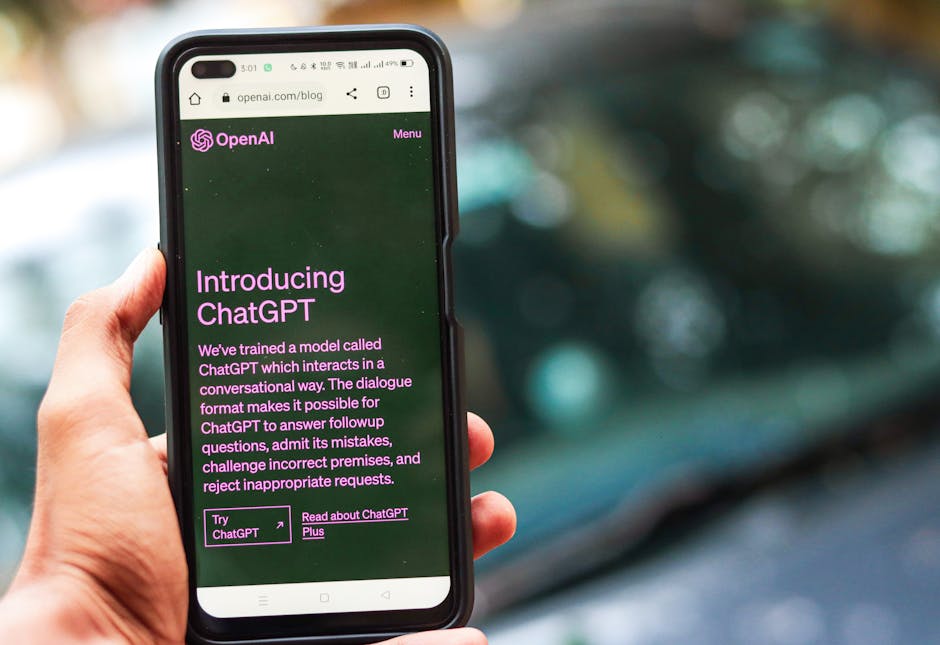
Google’s Imagen API pricing is still emerging in public documentation, but the art community and early adopters suggest it follows a per-image pricing with options for faster or higher-res images costing more. This contrasts with OpenAI’s GPT-image-2, which uses token-based pricing.
For example, OpenAI GPT-image-2’s text input costs roughly $5 per 1 million tokens. If your prompt is 100 tokens (about 70 words), you pay $0.0005 for the prompt input. Then you add the image generation cost per image (which can be around a few cents each). This can be ideal for developers mixing images and text or concatenating prompts for nuanced control.
Back-of-the-Napkin Cost Example: 10,000 Images at 1024×1024
Provider Cost per Image (USD) Total for 10,000 Images Notes Google Imagen 4 Fast (est.) $0.04 $400 Fast render, potential fine detail loss OpenAI GPT-image-2 $0.05 + $0.0005 (prompt) $505 Token costs add under 1% for typical prompts Typical Credit-Based $0.03 - $0.06 $300-$600 Varies by scale and volume purchasedAlways sanity-check these numbers when scaling, because “free” credits typically cover a few hundred or thousand images and then you hit real costs quickly.
Quality and Prompt Adherence: Tradeoffs of Faster Processing
The main attraction of Imagen 4 Fast is its speed—sometimes halving or better the generation latency compared to standard models. But speed can come at a cost:
- Fine Detail Loss: Rapid image generation may simplify textures or background elements, resulting in images that look slightly less polished or synthetic. Prompt Adherence: Fast models may occasionally miss nuances or complex instructions in your prompt, especially with creative or abstract ideas. Style Consistency: Producing consistent characters or themes across batches of images may degrade with faster inference.
However, for web content, social media, mockups, and some marketing materials, these tradeoffs can be negligible. Production environments requiring pixel-perfect accuracy or sensitive brand guidelines might prefer the slower, higher-detail variants.
When Is Imagen 4 Fast “Good Enough”?
Use cases where Imagen 4 Fast shines include:
Rapid prototyping and concept generation where multiple iterations are needed quickly. Content where the audience expects AI-disrupted aesthetics, e.g., memes or stylized homepage headers. Volume-focused workloads, such as bulk product images or variant iterations for A/B tests where detail can be slightly relaxed.If your project demands the highest fidelity—like editorial spreads, fine art prints, or luxury goods imagery—leaning on the slower variant or even competing services with heavier compute is recommended.
Latency, Job Handling, and Infrastructure Considerations
Speed doesn’t just mean “quicker image generation”; it also refers to how requests and jobs are handled within your system architecture.
- Sync vs Async Generation: Imagen’s API supports synchronous calls with the fast model but often benefits from asynchronous job processing for heavy workloads. Webhooks and Callbacks: For async jobs, Imagen can notify your system via webhooks, allowing you to manage queues and avoid client timeouts effectively. Throughput and Scaling: Fast variant models reduce latency per request, but high concurrency can still bottleneck if API quotas or infrastructure limits are reached. Fallback Strategies: Combining fast and standard Imagen variants based on workload type and deadlines ensures optimized workflow budgets and outcomes.
Latency is highly visible in customer-facing apps. A fast variant under 3 seconds per image generation can preserve user experience, while slower 10+ second waits might drive drop-offs.
Commercial Rights, Ownership, and Indemnification
Always a sticky point with AI-generated media is the question: “Who owns it?” and “Can I use it commercially?” Here’s a summary of key legal themes around Imagen 4 Fast and AI images in general:
- Ownership: Google’s Imagen API terms generally grant users broad licenses to use, modify, and distribute generated images, but final ownership clauses may vary by contract or enterprise agreement. Commercial Rights: Using Imagen-generated content in advertising, product images, and commercial packaging is usually permitted, but review specific usage policies regularly to avoid surprises. Indemnification: While providers like Google and OpenAI offer indemnity clauses protecting users against certain IP infringement lawsuits, the burden often remains with the user to avoid problematic inputs. Content Restrictions: Many APIs prohibit generating hateful, violent, or explicit materials. Production pipelines should monitor and filter prompts and outputs accordingly.
Vendors’ terms are evolving constantly; ensure your legal department or counsel reviews these, especially for enterprise or high-risk applications.
Summary: Is Imagen 4 Fast the Right Tool for Your Production Content?
Imagen 4 Fast is an exciting development balancing speed with decent quality, ideal for rapid iteration, volume-focused projects, and use cases where slight fine detail loss won’t break your brand. Compared to competitors like OpenAI GPT-image-2, pricing remains competitive, especially when scaling to tens of thousands of images.
However, if your workload demands pristine images with pixel-perfect prompt adherence, a slower Imagen https://smoothdecorator.com/google-imagen-4-fast-good-enough-or-does-it-look-cheap/ variant or a high-quality credit/token based provider might make more sense despite longer latency.
Key takeaways:
- Check pricing assumptions: At approximately $0.04/image for 1024x1024 in Imagen 4 Fast, compute your volume costs up front and avoid surprises when free credits expire. Test prompt adherence: Run A/B tests to see if the fast variant’s outputs meet your creative or brand standards. Plan infrastructure: Use async jobs and webhooks for heavy workloads rather than hammering sync endpoints. Review licenses: Stay current on usage rights and policies to operate risk-free commercially.
If you want to try Imagen 4 Fast now, stack it alongside other AI models in your workflow to find that “good enough” sweet spot between cost, speed, and quality.
Got specific questions about migrating your media generation workloads to or from Imagen? Reach out or track future posts where we break down hands-on migration hacks and internal tooling tips. Until then, happy generating!